
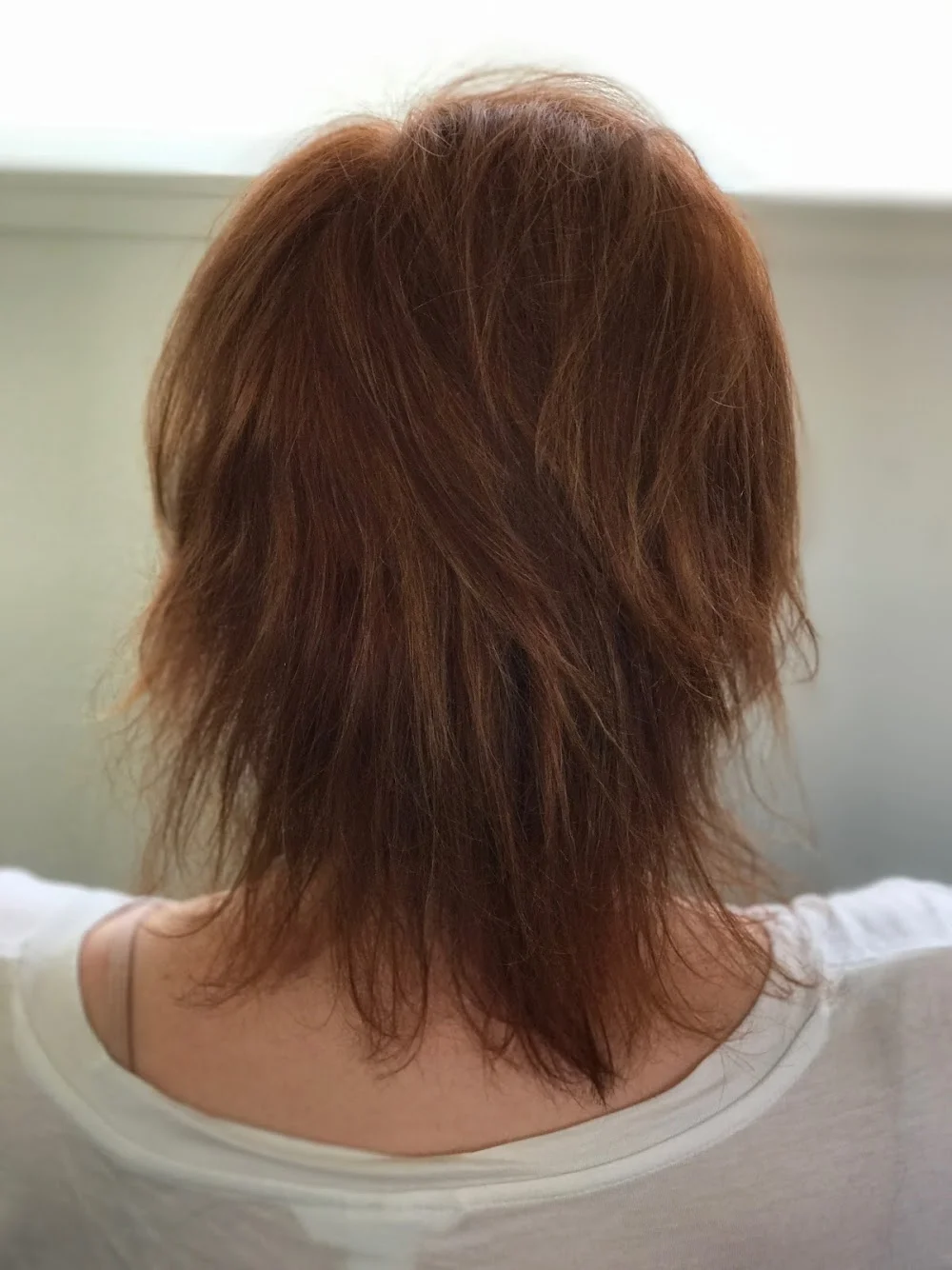
Day one of Gillian’s extensions journey
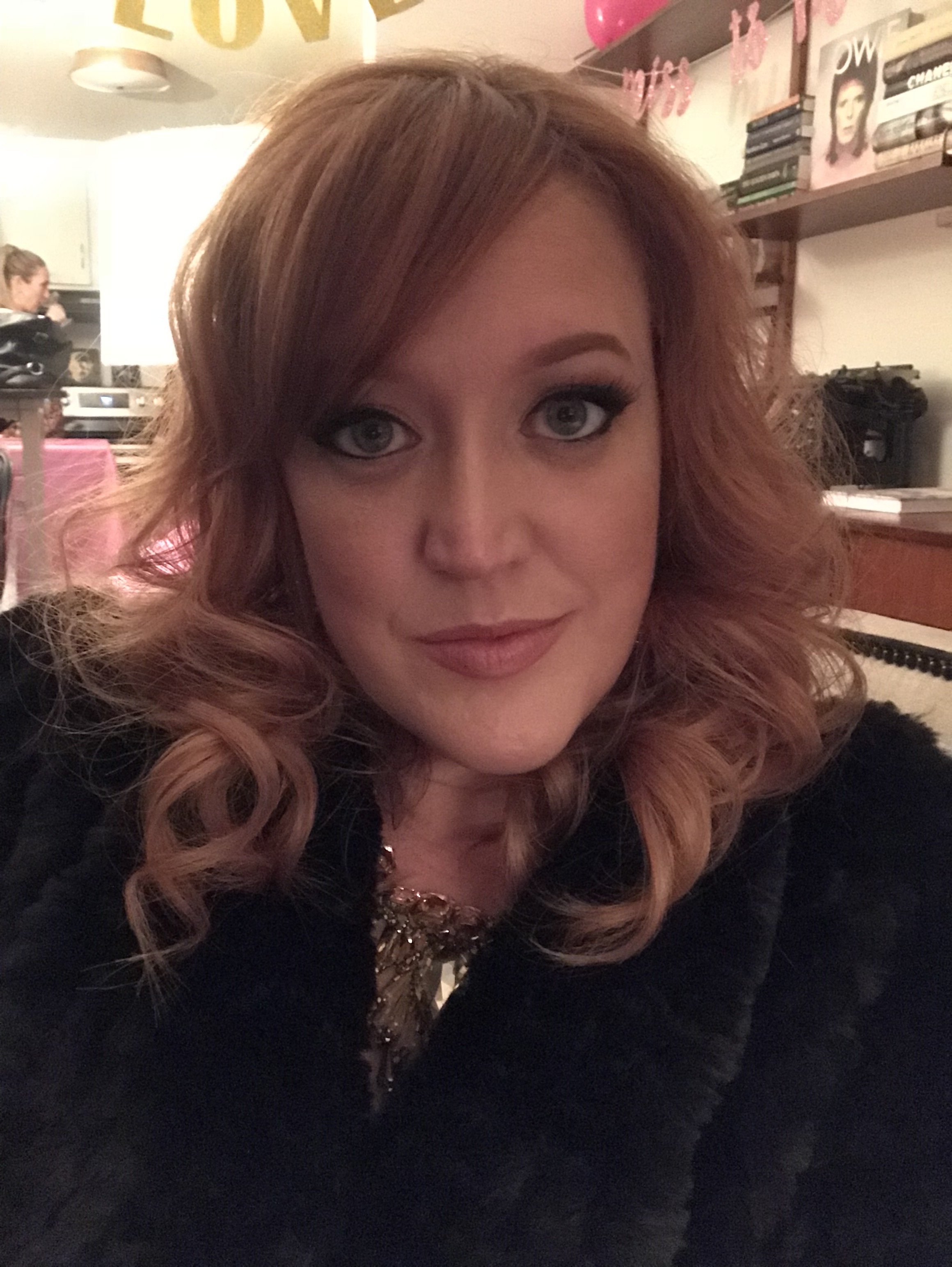
Glammed up with Tape-In Extensions

An everyday look with Beaded Extensions
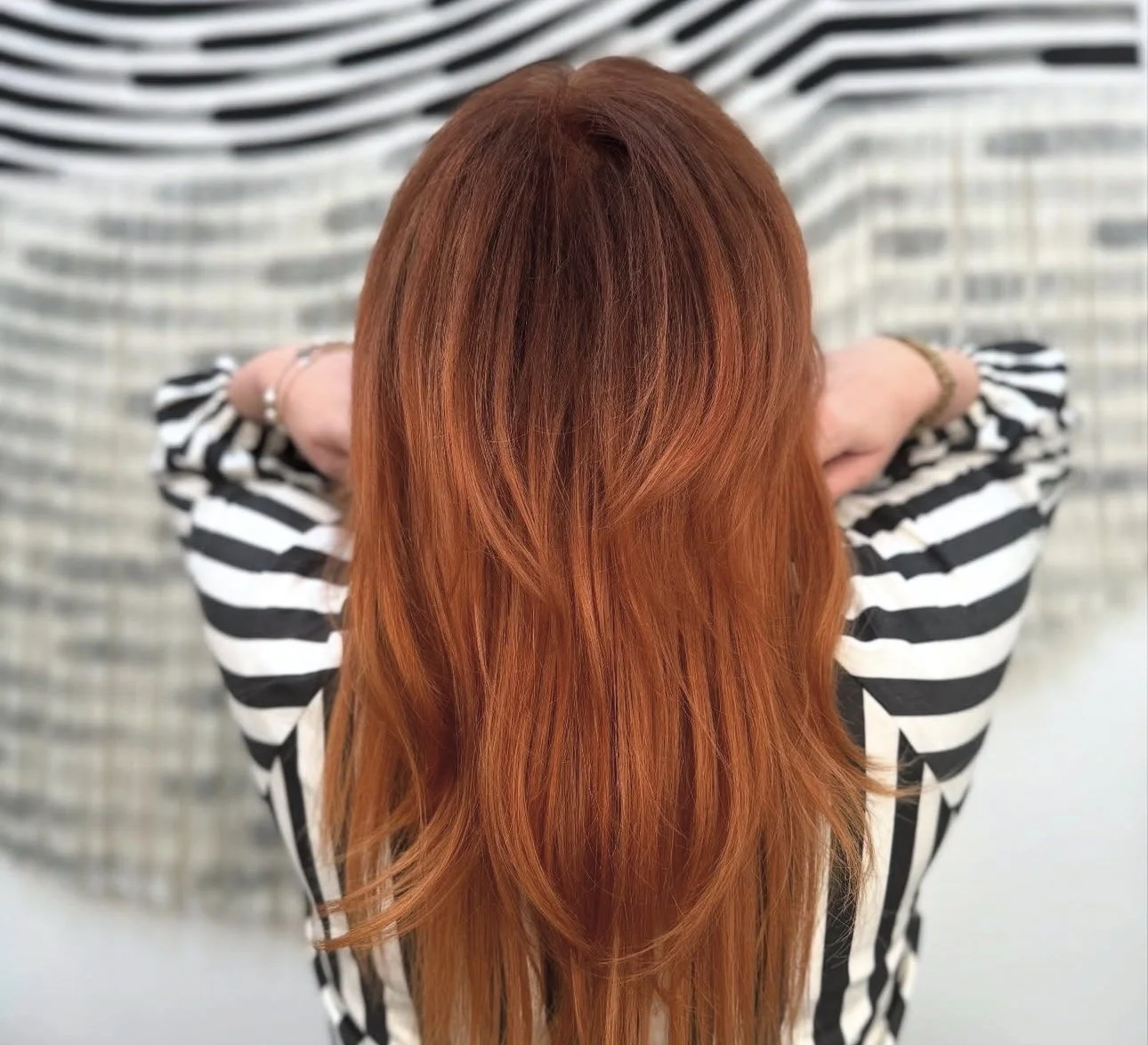
Extra length with IBE Extensions
Why hair extensions?
There’s no perfect answer to this question. People get hair extensions for a variety of aesthetic and practical reasons:
• to instantly add length and volume to fine or short hair.
• to experiment with new colors or highlights without risking chemical damage
• to provide a protective shield for natural hair to promote growth
• to disguise hair loss from conditions like alopecia or trichotillomania and even from side effects of medications
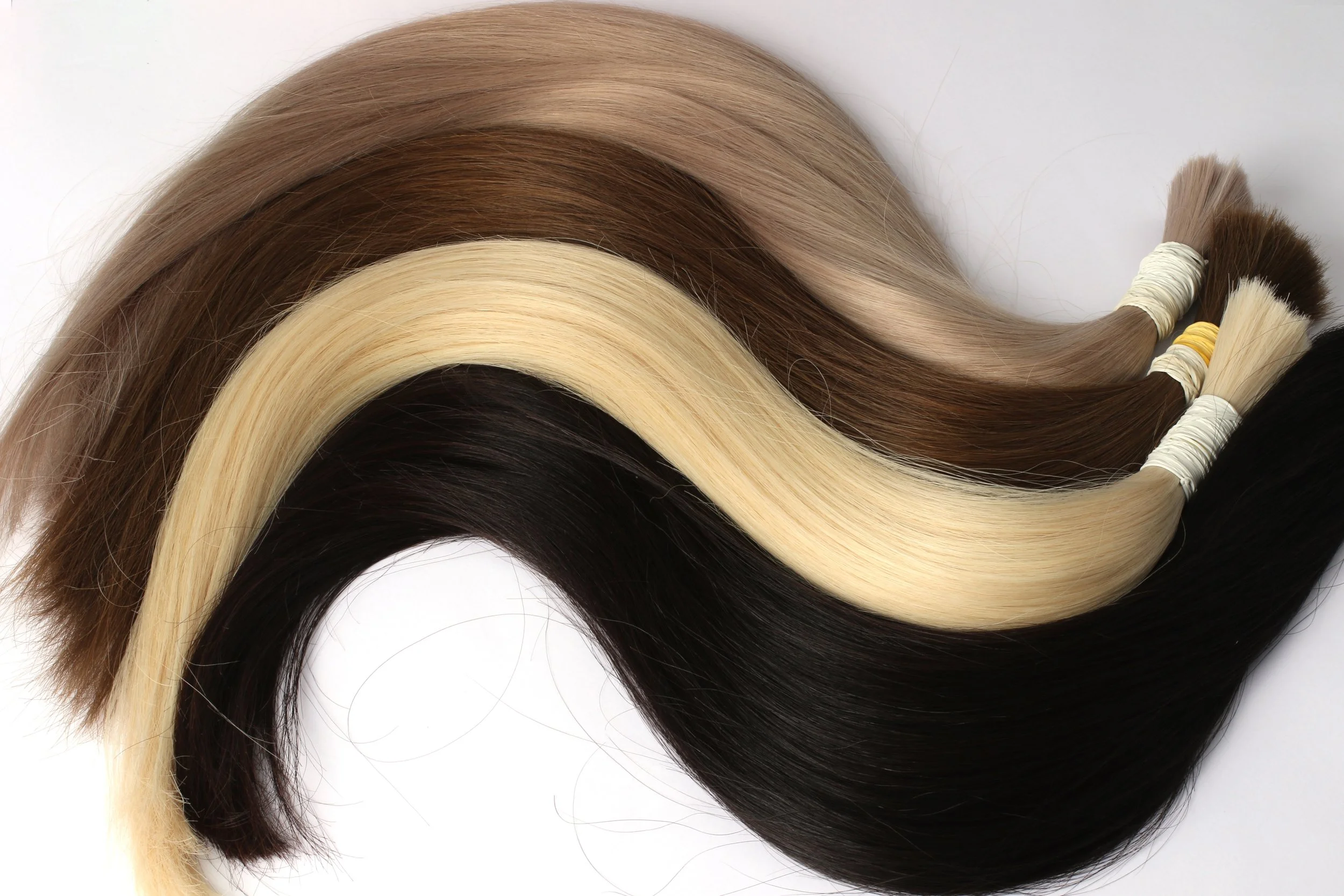
Whatever your reason is for considering hair extensions, you can consult with our specialist about which type would work best for you. They’ll look at your natural hair type and texture (fine, thick, curly, etc.) and ask questions like what your hair goals are and what your typical daily styling route is.
What are the different extensions options available?
Tape-Ins: These extensions feature thin, medical-grade adhesive wefts that sandwich sections of your natural hair. They offer a seamless, natural look, but require strict maintenance. Many people go this route for their first foray into hair extensions.
BENEFITS
• Natural Appearance: The wefts are thin and lay flat against the scalp, making them virtually undetectable, even in fine or thin hair.
• Fast Application: Installing a full head typically takes 30 to 60 minutes, which is significantly faster than many other methods.
• Low Tension: Because they distribute weight over a larger section of hair, they cause minimal pulling or tension, making them relatively safe for fragile hair strands.
• Reusability: The high-quality human hair can be reused; the stylist simply applies new tape and reinstalls the same wefts during your maintenance appointments. Depending on the condition of the extensions, they can sometimes be used up to three times.
THINGS TO CONSIDER
• Frequent Maintenance: As your natural hair grows, the tape moves down, requiring you to visit a salon every 4 to 8 weeks for professional removal and re-application.
• Risk of Damage: Improper removal or yanking the tapes out can tear your natural hair, leading to breakage and thinning.
• Product Restrictions: Oil-based or silicone-heavy products (including conditioners) near the roots can dissolve the glue and cause the wefts to slip.
• Lifestyle Limitations: They are not ideal for frequent swimmers or those who exercise heavily, as excessive moisture and sweat can weaken the adhesive. Additionally, you are limited to looser hairstyles, as tight, high ponytails can expose the tape wefts
K-tips (keratin): These extensions are individual, strand-by-strand extensions attached using a heat-activated keratin bond. They offer a highly natural look and long-lasting wear, but require a significant financial investment and carry a risk of hair damage if not applied or removed correctly.
BENEFITS
• Natural Movement: Because the bonds are small, cylindrical, and applied strand-by-strand, they mimic natural hair growth and blend seamlessly.
• Styling Versatility: You can wear your hair in high ponytails, braids, or updos without visible attachment points.
• Long Lifespan: K-tips typically last 3 to 4 months before needing removal or reinstallation, which is longer than tape-in methods.
• Weight Distribution: When installed in small, precise sections, the weight is distributed evenly across multiple hair strands, reducing strain.
THINGS TO CONSIDER
• Risk of Damage: The heat required to fuse the bonds can weaken natural hair if the iron's temperature is too high or the extensions are installed poorly. The weight can also cause stress or breakage if applied to already fragile, thin, or over-processed hair.
• High Initial and Maintenance Cost: K-tips are a luxury, premium option. The custom installation takes 2 to 4 hours and requires professional removal to prevent bond tearing.
• Melt and Slip Hazards: Because the bonds are heat-activated, applying flat irons or curling wands directly to the roots can degrade the keratin, causing the extensions to slip.
• Low Reusability: Once removed, individual K-tip bonds are often difficult to reuse, requiring a fresh set of extensions for the next application.
AFTERCARE REQUIREMENTS
To maximize their lifespan and maintain hair health, you must follow specific care rules:
• Specialized Brushing: Use a soft-bristle loop brush or a wet brush, brushing gently from the ends to the roots to avoid pulling the bonds.
• Product Restrictions: Avoid applying heavy oils or silicone-based serums directly to the bonds, as this can cause them to break down and slide off.
• Drying Routine: You must blow-dry the bonds every time your hair gets wet; sleeping with soaking wet K-tips causes tangling and matting.
[IBE currently not a service we offer.]
IBE (Invisible Bead Extensions): IBE is a patented, hand-tied hair extension method. Instead of using harsh glues, tapes, or heat, it attaches hair wefts to the natural hair using a specialized bead-and-stitch technique.
BENEFITS
• Health & Damage-Free: The method uses no glue, tape, or heat, and evenly distributes weight to eliminate concentrated tension on individual hair follicles.
• Versatile Styling: The beads are completely hidden by the hair. You can wear high ponytails, top knots, and updos from day one without exposed tracks.
• No Break-in Period: Because they follow the natural curve of the head, they are comfortable and pain-free immediately after installation.
• Lower Maintenance: Move-up appointments are generally spaced further apart (every 6 to 10 weeks) compared to traditional tape-in or bead methods.
THING TO CONSIDER
• Improper Application: If installed by a non-certified or poorly trained stylist, the extensions can cause scalp irritation, matting, and even traction alopecia.
• Costly Investment: The upfront cost for the hair and initial installation ranges widely from $500 to $2,500, with ongoing maintenance appointments often costing hundreds of dollars.
• Hair Texture Limitations: While generally excellent for fine hair, extremely fragile or compromised hair may still struggle to support the weight of hand-tied wefts.
• Learning Curve at Home: You must adjust your routine, which involves longer blow-drying times, daily brushing, and avoiding sleeping with wet hair to prevent tangling.